
Pembrokeshire history at a glance
Pembrokeshire has been a border and a landing place for a very long time. The Preseli Hills are linked to the story of Stonehenge. Saint David is tied to St Davids. The Normans built castles at the river mouths. Henry VII was born at Pembroke, and in 1797 a French force came ashore near Fishguard.
Not everything is certain. Some dates come from tradition, and some stories are legend. This page keeps the two apart. To see these places in person, start with the Pembrokeshire tours, which include boat days and coast days between the sites.
A timeline of Pembrokeshire
The main moments and where to see them.
| Period | What happened | Where to see it |
|---|---|---|
| Prehistory | Stones from the Preseli Hills go to Stonehenge | Preseli Hills |
| Around 500 to 589 | Saint David lives and dies at St Davids, by tradition | St Davids Cathedral and St Non's |
| 12th and 13th centuries | Norman fortifications and a walled town at Tenby, Cilgerran castle | Tenby and Cilgerran |
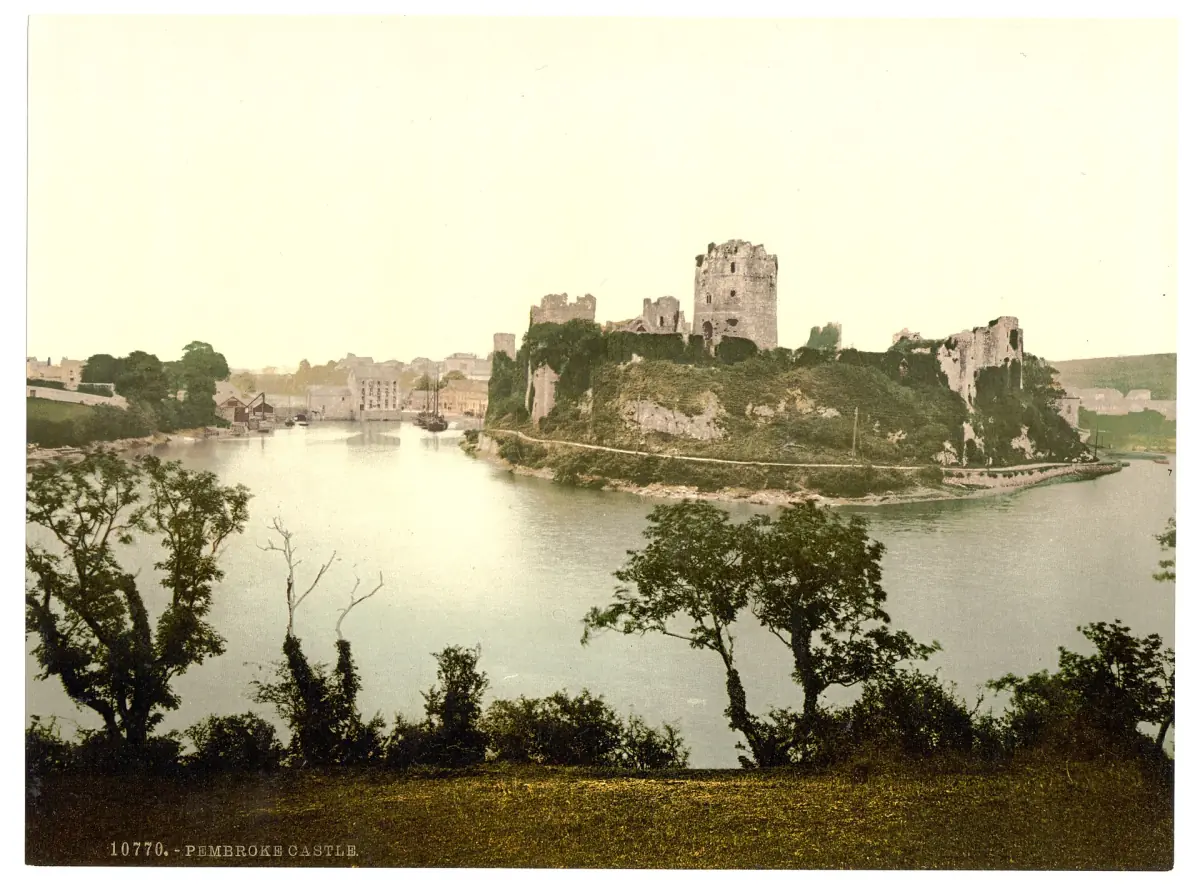
| 15th century | Henry Tudor is born at Pembroke Castle | Pembroke Castle |
| 1797 | French landing near Fishguard | Fishguard Fort and the tapestry |
| 1834 | Saundersfoot harbour completed for coal export | Saundersfoot |
For most visitors, a day at Pembroke Castle and a half day at St Davids give the clearest sense of the story.
Our pick: West Wales day tour led by a history teacher
A day from Cardiff with a history teacher as guide, including Pembroke Castle, for the story behind the landscape.
Hand-picked tours, booked through GetYourGuide. Prices are indicative starting prices in British pounds (as of October 2026). Tap a tour for live availability and the current price in your currency.
Pembrokeshire tours that pass the historic sites
Guided days, boat trips and coast tours past castles, harbours and holy places, with live prices and availability.
Saint David and St Davids
Tradition gives 500 as the year of David's birth and 1 March 589 as the day he died. Treat those as traditional dates. His birth at St Non's is a legend, and the chapel ruin there is a Cadw site with free entry. It is open all year in reasonable daylight, with a few parking spaces and an uneven path.
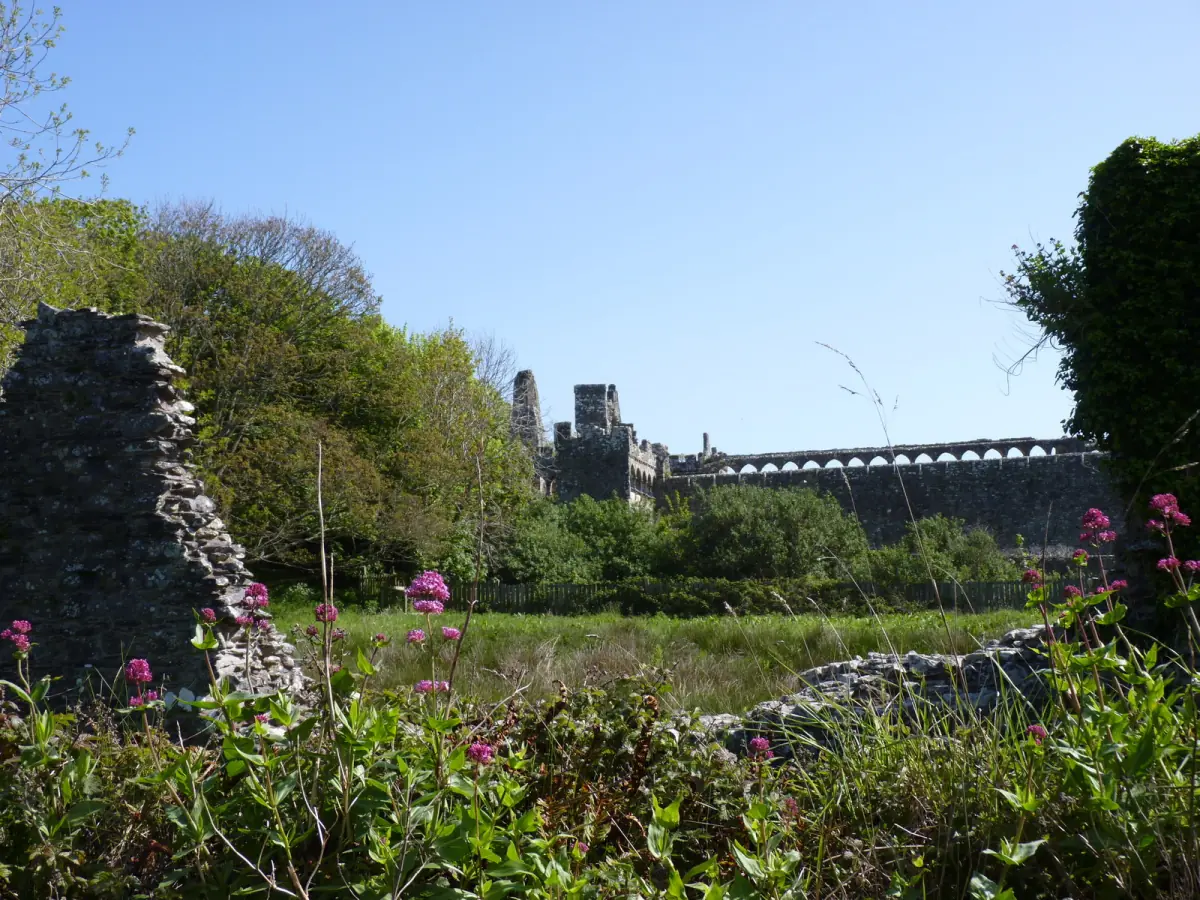
St Davids Cathedral admits visitors on a donation basis, with £5 suggested for each adult. The Bishop's Palace next to it is a separate site run by Cadw with its own ticket, £6.80 for adults from 1 September 2026 to 31 March 2027. The city status goes back to 1 June 1995, when its letters patent were handed over. See the St Davids guide.
Norman castles and the Tudors
The Normans fortified the coast. Tenby's Castle Hill was a Norman stronghold in the 12th century, and the town walls followed a century later. Cilgerran's first ringwork castle dates probably from 1108, and the stone castle was built under William Marshal in 1223. Those dates are the best estimates, and later builders changed the walls you see now.
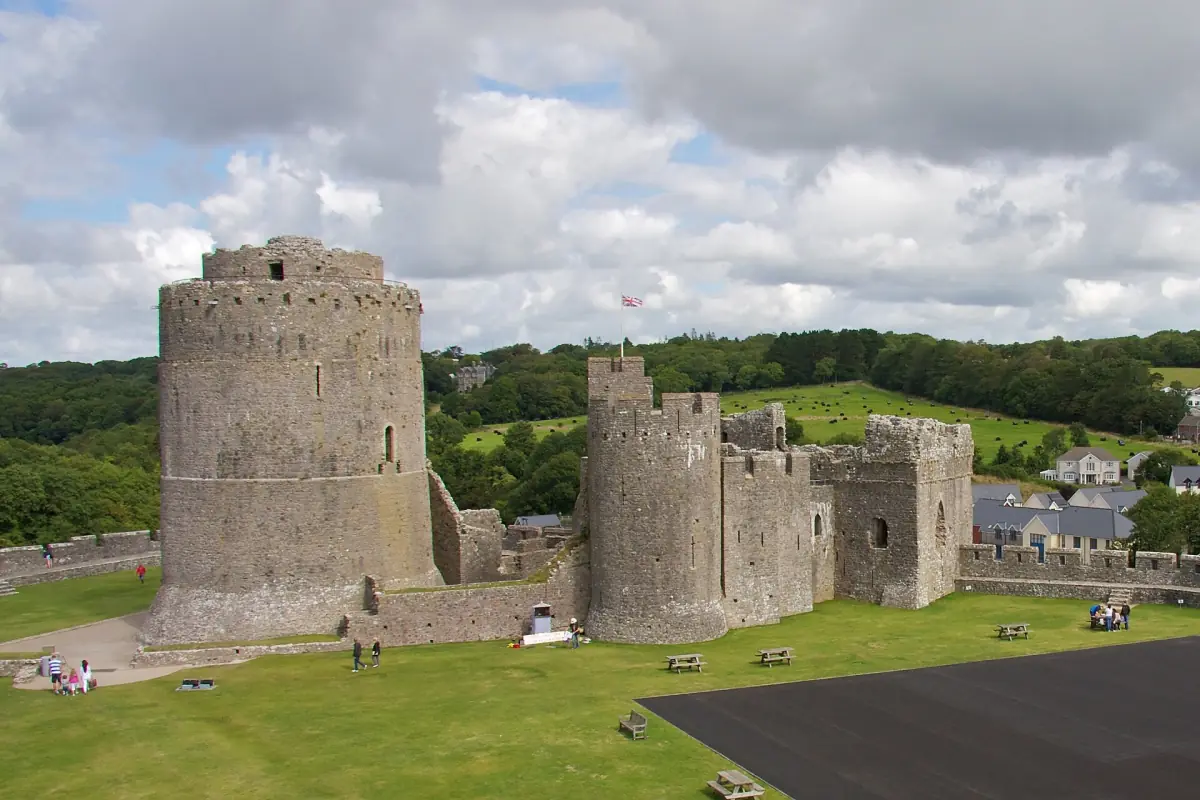
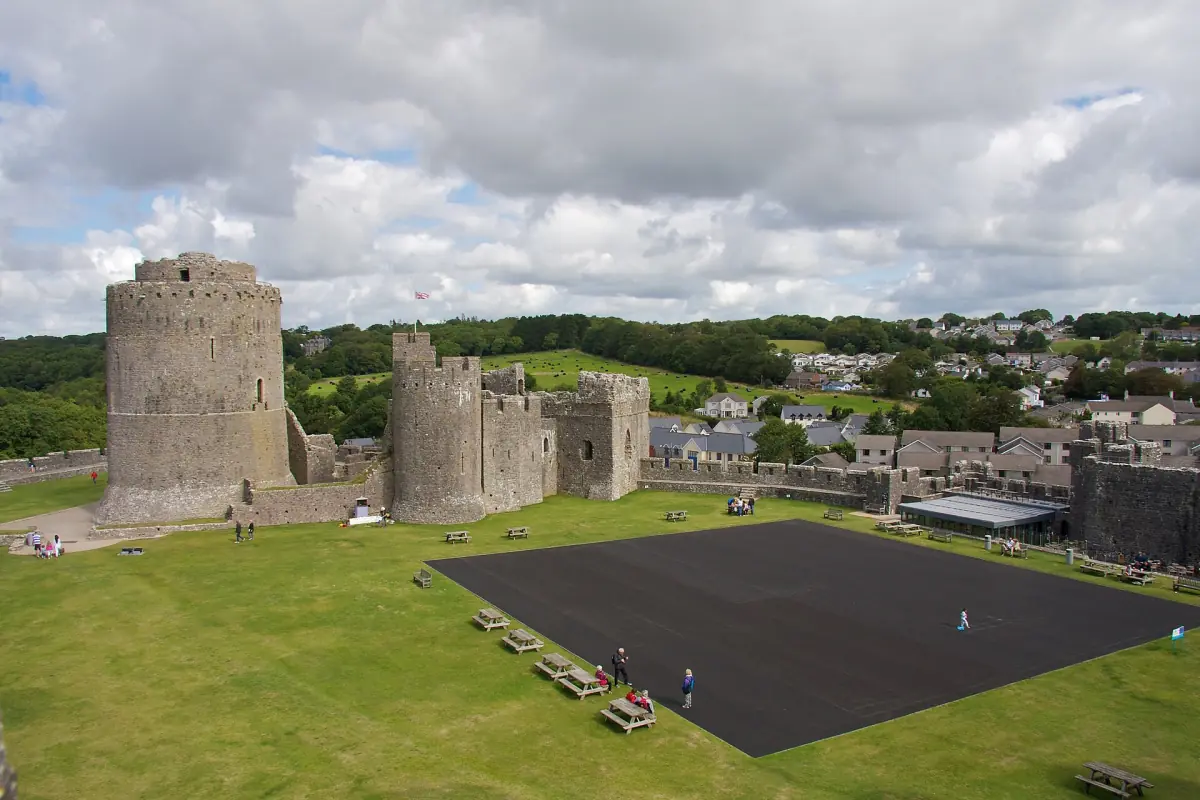
Pembroke Castle is where Henry VII was born on 28 January 1457. The exact room is not known. Adults pay £13 (£11.70 online) and children aged 3 to 17 pay £9 (£8.10 online) in 2026, with a guided tour included. Carew Castle and its tidal mill are also worth a visit, and Picton Castle dates from the 14th century. Details of opening times are on the castles page.
The last invasion of Britain, 1797
On 22 February 1797 a French fleet ran aground at the harbour at Fishguard. After being driven off there, the French force landed at Carreg Wastad. The event is often called the last invasion of Britain. Fishguard Fort above the harbour is a protected monument.
The Last Invasion Tapestry is a modern work that tells the story. It is shown on the first floor of Fishguard Library in the Town Hall on Market Square. Entry is £3.50, and visitors up to age 17 go in free. Photography and filming are not allowed in the gallery. Keep the tapestry apart from the events themselves. It is a retelling made later. See the Fishguard guide.
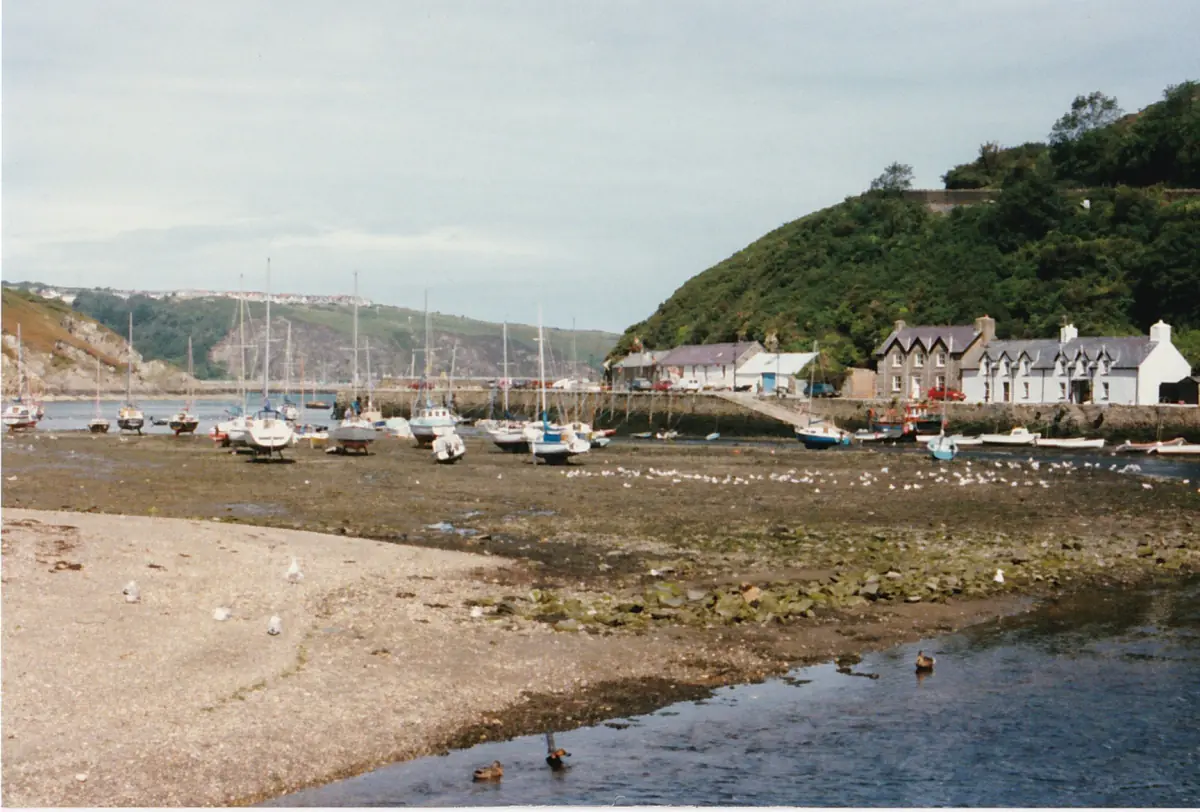
The Preseli bluestones and Stonehenge
Researchers separate the Preseli bluestones from the larger sarsen stones and the Altar Stone at Stonehenge. The Altar Stone probably comes from the Orcadian Basin in northeast Scotland, though its exact source is still open. Not every Stonehenge stone came from Wales.
How the bluestones travelled is still debated. Human transport and a possible role for ice are both discussed, but ice alone does not explain how the stones ended up where they stand. Nobody has shown the exact route by boat or on land. The Preseli Hills are partly inside the national park, and the park itself was designated in 1952.
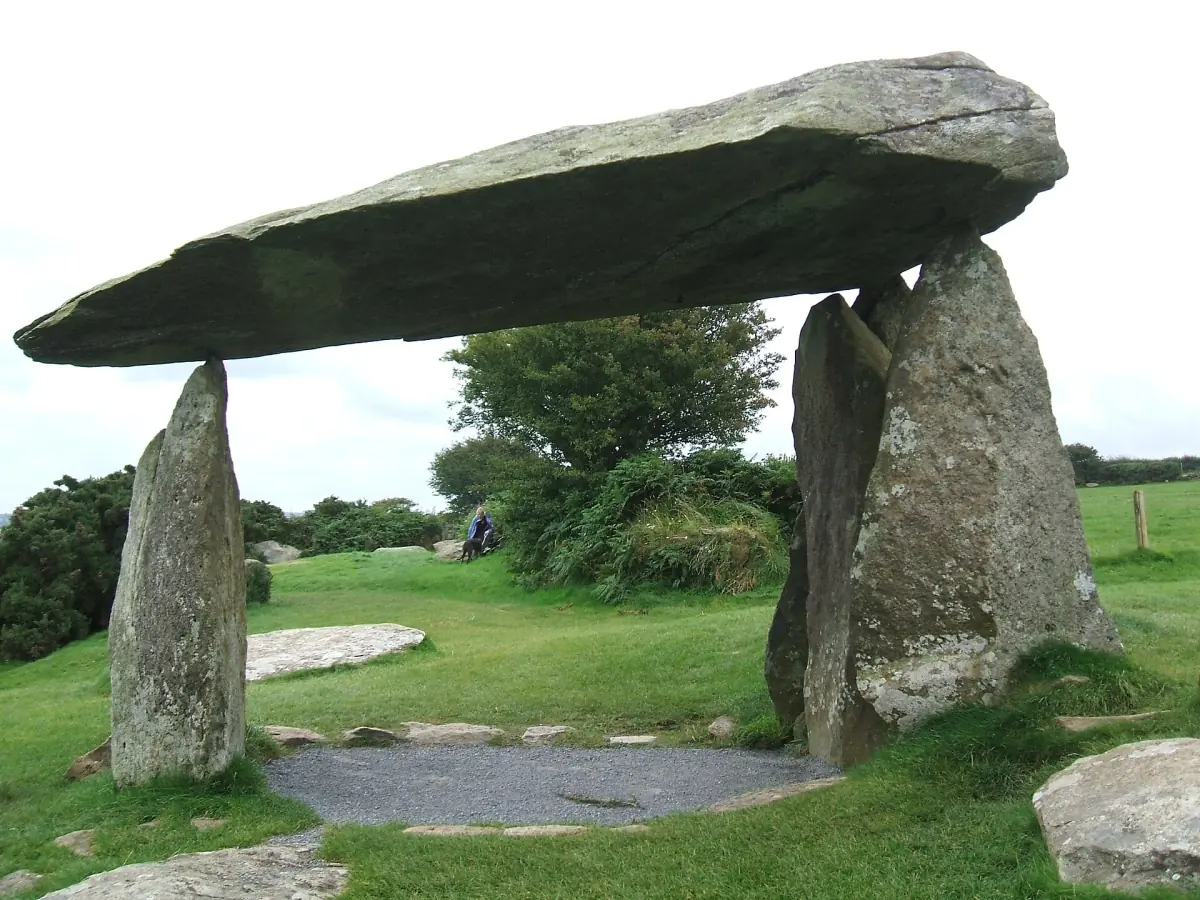
More history on the coast
Smaller stories worth a stop.
Tenby
A walled harbour town with a house from the 15th century. The Tudor Merchant's House charges £7 for adults and £3.50 for children aged 5 to 17.
Tenby guide →Caldey Island
A Cistercian community lives on the island. A visit does not include a tour of the monastery.
Bosherston
The lily ponds were made in the 18th century by damming valleys.
Barafundle Bay and the ponds →Pembrokeshire history: frequently asked questions
Who was Saint David?
He is the patron saint of Wales, and St Davids is named after him. Tradition dates his birth to 500 and his death to 1 March 589. His birth at St Non's is a legend.
Where was Henry VII born?
At Pembroke Castle on 28 January 1457. The exact room is not known.
What was the last invasion of Britain?
A French force landed near Fishguard in February 1797. Their fleet ran aground at the harbour on 22 February, and the troops landed at Carreg Wastad.
Did Stonehenge come from Pembrokeshire?
Only part of it. The smaller bluestones link to the Preseli Hills, but the sarsens and the Altar Stone have other origins.
Can I see the Last Invasion Tapestry?
Yes, in Fishguard Library. Entry is £3.50, and anyone up to age 17 goes in free.